


Are you tired of guessing whether your rice will turn out perfect? Choosing between a rice cooker and cooking rice on the stovetop can be confusing.
You want fluffy, tasty rice every time, but which method really works best for you? This article will help you discover the pros and cons of each option, so you can decide what fits your kitchen, lifestyle, and taste buds.
Keep reading—you’re about to find the answer that makes cooking rice easier and more enjoyable than ever.
Rice Cooker Basics
Rice cookers make cooking rice simple and fast. They help you get perfect rice without much effort. Understanding the basics of rice cookers can help you decide if one fits your kitchen.
These devices save time and reduce the chance of burning or undercooking rice. They come in different styles and with various features to match your needs.
How A Rice Cooker Works
A rice cooker uses heat and steam to cook rice evenly. It has a heating plate at the bottom and a removable pot inside. You add rice and water, turn it on, and wait.
The cooker heats the water until it boils. The steam cooks the rice. When the water is gone, the cooker switches to a warm mode. This keeps rice ready to eat without burning it.
Types Of Rice Cookers
Basic rice cookers have simple on/off buttons. They cook rice by heating water to boiling. These are affordable and easy to use.
Micom rice cookers have micro-computers that control temperature and time. They adjust cooking based on rice type. This gives better results with less guesswork.
Induction rice cookers use magnetic heating. They cook rice faster and more evenly. These are usually more expensive and have advanced features.
Key Features To Consider
Capacity is important. Choose a size that fits your usual servings. Small cookers are good for singles or couples. Larger ones suit families.
Look for a non-stick inner pot. It helps with easy cleaning and stops rice from sticking. A clear lid lets you watch the cooking process.
Some cookers have timers and keep-warm functions. These let you set cooking times and keep rice hot. Quick-cook modes reduce cooking time for busy days.
Credit: food52.com
Stovetop Rice Cooking
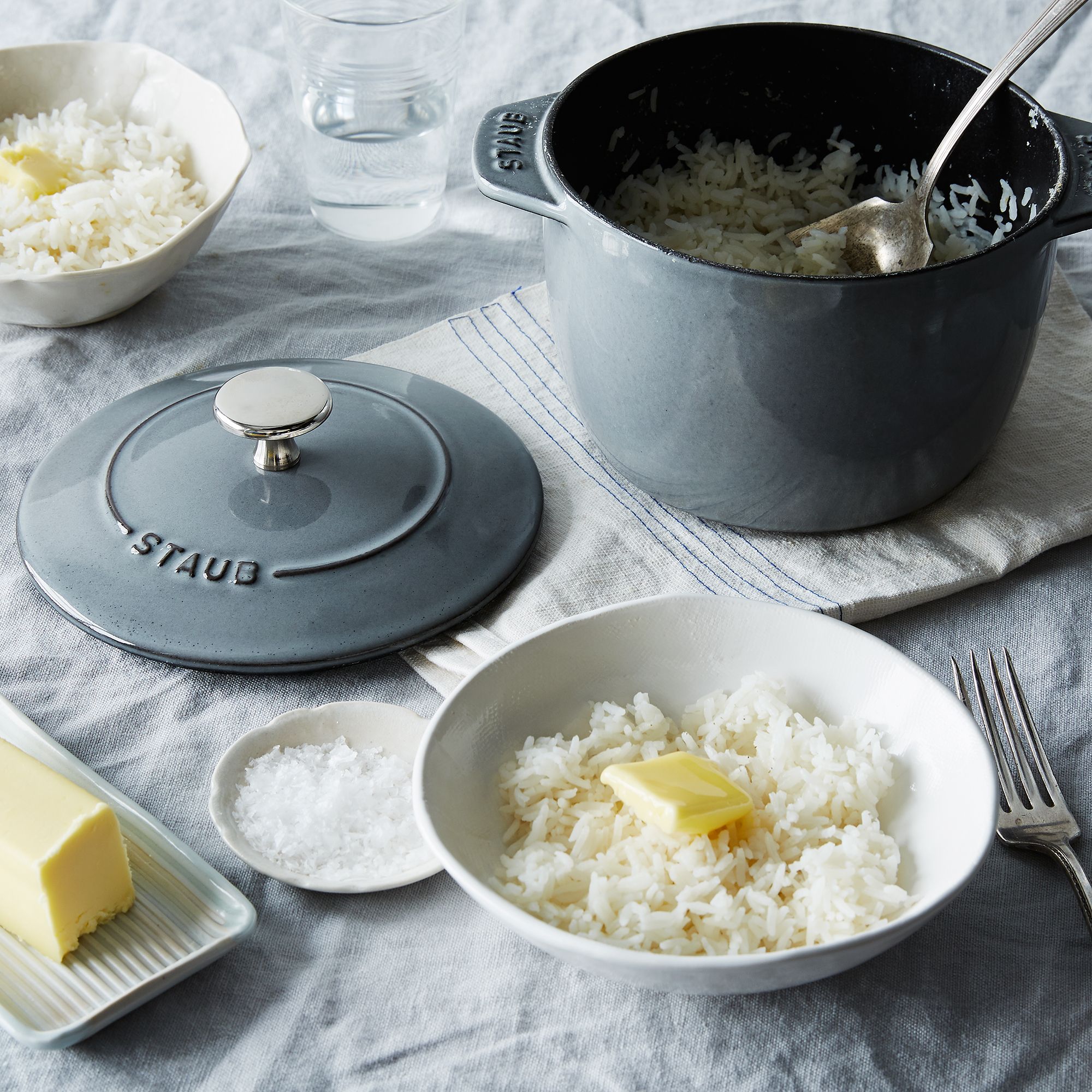
Stovetop rice cooking is a classic way to prepare rice. This method has been used for many years in homes worldwide. It offers control over the cooking process and can yield tasty, fluffy rice. Many people enjoy the hands-on approach of cooking rice on the stovetop.
Traditional Cooking Method
Cooking rice on the stovetop is a simple, time-tested method. It involves boiling water and adding rice to it. The rice cooks by absorbing the water and heat. This method works well for most types of rice, including white, brown, and jasmine. It requires attention to avoid burning or sticking. The traditional stovetop method is ideal for those who like to watch their food cook closely.
Essential Tools And Equipment
To cook rice on the stovetop, basic kitchen tools are enough. A medium or large pot with a tight-fitting lid is best. The lid helps trap steam and cook the rice evenly. A measuring cup ensures the right ratio of rice to water. A wooden spoon or spatula helps stir or fluff the rice after cooking. A stove or cooktop with adjustable heat is necessary for control.
Common Techniques And Tips
Rinse rice under cold water to remove excess starch. This step prevents rice from becoming too sticky. Use the correct water-to-rice ratio for best results. Typically, two cups of water per one cup of rice works well. Bring water to a boil before adding rice. Then reduce heat to low and cover the pot. Let the rice simmer gently until all water is absorbed. Avoid lifting the lid while rice cooks. Fluff rice with a fork after cooking to separate grains. Let rice rest for a few minutes before serving for better texture.
Cooking Performance
Cooking performance is a key factor when choosing between a rice cooker and stovetop. Both methods have unique ways of preparing rice. The texture, taste, and cooking time can differ. Understanding these differences helps pick the best option for daily meals.
Taste And Texture Comparison
Rice cookers produce soft and fluffy rice with little effort. They use steady heat to cook rice evenly. Stovetop cooking allows more control over texture. You can make rice firmer or softer by adjusting heat and water. Some prefer stovetop rice for its slightly toasted flavor. Rice cookers often result in milder taste but consistent softness.
Consistency And Reliability
Rice cookers offer consistent results every time. The machine controls heat and timing precisely. This reduces the risk of burnt or undercooked rice. Stovetop cooking requires more attention and skill. Beginners may find it hard to get perfect rice each time. Rice cookers suit busy kitchens where reliability is important.
Cooking Time Differences
Rice cookers usually take about 20 to 30 minutes. They automatically switch off when rice is done. Stovetop rice cooks faster, often in 15 to 20 minutes. But it needs close monitoring to avoid burning. The stovetop method also requires more time for boiling water. Rice cookers offer a set-and-forget convenience that saves time.
:max_bytes(150000):strip_icc()/sea-tier-3-primary-best-rice-cookers-ahuang-151-372092288b0d4326be8cdb952b9e64c7.jpeg)
Credit: www.seriouseats.com
Convenience And Usability
Convenience and usability are key when choosing between a rice cooker and stovetop. Both have benefits that affect your cooking experience. This section explains how easy they are to use, clean, and store. Understanding these points helps pick the best option for your kitchen.
Ease Of Use
Rice cookers offer simple, one-touch operation. Just add rice and water, press start, and wait. The cooker handles heat and timing automatically. Stovetop cooking needs more attention. You must watch the pot to avoid burning. Adjusting heat and timing requires skill. Beginners find rice cookers less stressful to use.
Cleanup And Maintenance
Rice cookers usually have non-stick inner pots. These pots clean easily with a sponge and soap. Some parts are dishwasher safe. Stovetop cooking pots vary in material. Cleaning depends on the pot type and if rice sticks. Stovetop pots may need scrubbing or soaking. Rice cookers require occasional cleaning of steam vents and lids to prevent build-up.
Portability And Storage
Rice cookers are electric and need an outlet. They can be heavy and bulky. Storing them takes more space than pots. Stovetop pots are lighter and easier to move. They fit in most kitchen cabinets without issues. If you travel or cook outdoors, pots are more practical. Rice cookers suit kitchens with stable power sources and space.
Cost And Value
Choosing between a rice cooker and a stovetop affects your budget and value. Understanding costs helps you pick the best option. This section breaks down the expenses and savings for both methods.
Initial Investment
A stovetop requires no extra purchase if you already have a pot. Most kitchens come with pots suitable for cooking rice. Rice cookers range in price from affordable to high-end models. Basic rice cookers cost less than $30, while advanced ones can exceed $100. The stovetop option has almost no upfront cost.
Energy Efficiency
Rice cookers use electricity and are designed to cook rice efficiently. They automatically adjust heat to save energy. Stovetops use gas or electric burners, which may waste more energy. Cooking rice on a stovetop can take longer and use more fuel. Rice cookers switch to keep warm mode, using minimal power after cooking.
Long-term Savings
Rice cookers save energy and reduce cooking time, lowering utility bills. Stovetops might increase energy use due to longer cooking times. Durable rice cookers last several years with proper care. Stovetop pots can last decades if maintained well. Consider energy costs and replacement frequency for true long-term value.
Versatility Beyond Rice
Rice cookers are not just for cooking rice. They can do much more in the kitchen. This makes them a useful tool for many meals. The stovetop also has its own wide uses beyond boiling water or frying. Both options offer more than just basic cooking. Understanding their extra uses helps decide which fits your kitchen needs better.
Other Dishes With Rice Cookers
Rice cookers can prepare dishes like soups and stews. You can also cook porridge or steam vegetables inside. Some models even bake cakes or make yogurt. This appliance keeps food warm for hours, which is handy. It works well for slow-cooking meals too. The set-it-and-forget-it style suits busy days.
Stovetop Multi-purpose Cooking
The stovetop lets you fry, sauté, boil, and simmer. You can cook anything from eggs to pasta easily. It offers quick heat changes for precise cooking. Stirring and adjusting heat is simple with stovetop cooking. It supports many pots and pans for different recipes. It is the classic way to prepare most meals.
Which Offers More Flexibility?
Rice cookers offer convenience and some variety in cooking. Stovetops provide wider control and more cooking styles. The stovetop handles a larger range of recipes and techniques. Rice cookers are best for set recipes and hands-off cooking. Choose based on your cooking habits and meal types.
Health And Safety Considerations
Choosing between a rice cooker and stovetop affects health and safety in many ways. Cooking methods impact nutrition, safety features, and risks. Understanding these points helps in making a good choice. Below is a detailed look at these factors.
Nutritional Impact
Both methods cook rice well but differ slightly in nutrition. Rice cookers use steady heat and keep nutrients locked in. Stovetop cooking may lose some vitamins if water is poured off. Some nutrients dissolve in cooking water and get wasted.
Rice cooked in a cooker often retains more minerals. The cooker’s sealed environment prevents nutrient loss. Stovetop rice can be less nutritious if overcooked or rinsed too much. Careful timing on stovetop helps keep nutrients intact.
Safety Features
Rice cookers come with built-in safety features. Auto shut-off stops cooking once rice is done. This prevents burning and overheating. Many cookers have heat-resistant handles and lids for safe use.
Stovetop cooking lacks automatic safety controls. Users must watch the pot to avoid boiling dry or burning. Hot steam and open flames increase burn risk. Using a sturdy pot and careful attention reduces accidents.
Potential Risks
Rice cookers reduce fire risk due to automatic controls. Electrical faults can occur but are rare with quality models. Overfilling or ignoring instructions can cause spills or short circuits.
Stovetop rice cooking risks include burns from hot pots and steam. Boiling water can splash and cause injury. Leaving the stove unattended may cause fires. Proper supervision and equipment reduce these risks.
User Preferences And Lifestyle
User preferences and lifestyle play a big role in choosing between a rice cooker and stovetop cooking. Each option fits different daily routines and needs. Some people want quick meals, others want simple kitchen setups. Understanding these factors helps pick the best method.
Busy Schedules And Convenience
Rice cookers save time for people with tight schedules. Just add rice and water, then press start. No need to watch the pot or stir. The cooker switches off automatically when done. This frees time for other tasks or rest.
Stovetop cooking needs more attention. You must monitor heat and water level. This might not suit busy or distracted cooks. It works well for those who enjoy cooking and can stay near the stove.
Space And Kitchen Setup
Rice cookers are great for small kitchens. They take up little space and store easily. Many models fit on a countertop without crowding. This suits apartments or shared kitchens.
Stovetops require pots and pans, plus a stove. This needs more space and setup. Kitchens with large counters and good ventilation handle stovetop cooking well. It allows for multi-tasking with other dishes.
Cooking Skill Levels
Rice cookers are beginner-friendly. They need no special skills or constant checking. Anyone can get perfect rice every time.
Stovetop cooking demands more attention and skill. You must control heat and timing. It offers more control but risks overcooking or burning rice. Experienced cooks may prefer this method for flexibility.
:max_bytes(150000):strip_icc()/sea-pressure-cookers-primary-nsimpson-59-6a0c8fce33fc41cf9cc55710bca76c4a.jpeg)
Credit: www.seriouseats.com
Frequently Asked Questions
Which Cooks Rice Faster: Rice Cooker Or Stovetop?
Rice cookers typically cook rice faster due to consistent heat control. Stovetop cooking may take longer and requires monitoring. Rice cookers automate the process, saving time and effort. Stovetop method needs attention to avoid burning or undercooking.
Is Rice Cooker Healthier Than Stovetop Cooking?
Both methods can produce healthy rice if done correctly. Rice cookers evenly cook rice without burning, preserving nutrients. Stovetop cooking requires careful water control to avoid nutrient loss. Overall, healthiness depends on the rice type and cooking technique.
Can I Cook Other Foods In A Rice Cooker?
Yes, rice cookers can steam vegetables, cook soups, and even bake cakes. They offer versatile cooking options beyond just rice. Stovetop cooking offers more control for diverse recipes but requires more skill.
Which Method Saves More Energy: Rice Cooker Or Stovetop?
Rice cookers generally use less energy as they cook with optimized heat settings. Stovetop burners may waste energy by heating larger areas. Using a rice cooker can be more energy-efficient for small to medium rice batches.
Conclusion
Choosing between a rice cooker and stovetop depends on your needs. Rice cookers offer ease and consistent results. Stovetop cooking gives you more control over heat. Both methods can make tasty rice. Think about your kitchen space and time. Simple meals or busy days favor a rice cooker.
If you enjoy cooking and control, stovetop fits better. Either way, good rice is possible with care. Try both to see which suits you best. Cooking rice can be easy and fun.